Practical workflows

See exolyt examples tiktok in action

Use exolyt examples tiktok as a starting point for turning public TikTok signals into focused research, content decisions, and repeatable team workflows. These scenarios show where the work begins, what Exolyt contributes, and what a useful deliverable can look like.

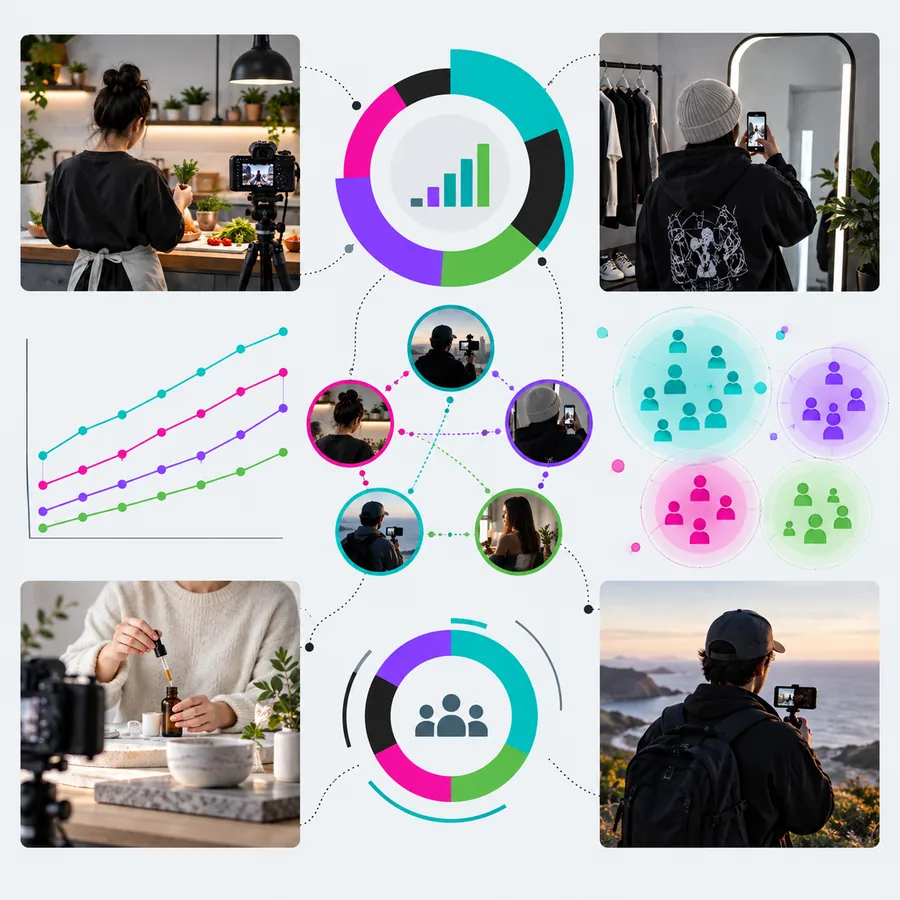
Exolyt workflow overview for TikTok research

the audience's existing pipeline

Most teams already have a place for ideas, reports, and campaign decisions. Exolyt works best when it strengthens that existing process instead of asking people to rebuild it.

Content strategist

Start with a broad theme, recurring audience question, or emerging TikTok format. Use Exolyt to compare related content and identify patterns worth turning into a brief.

A sharper content brief with evidence behind the angle, audience language, and timing.

exolyt tutorial tiktok


Brand researcher

Review a category, competitor set, or product conversation before a planning meeting. Separate repeated signals from isolated viral moments.

A concise research summary that gives stakeholders a shared view of the market.

exolyt tiktok analytics

Creator partnerships lead

Map creators around a topic and inspect the kind of content that earns attention in that niche. Use the findings to prepare a focused outreach list.

A more relevant shortlist and a clearer reason for each potential collaboration.

exolyt for tiktok

Social performance manager

Bring campaign or account observations into a regular review. Compare themes, formats, and visible engagement signals over a defined period.

A repeatable review input that helps the team decide what to test next.

exolyt calculator

The strongest examples begin with a specific question. Treat each prompt as a research brief, then refine the scope, audience, and comparison set before sharing the result.

  • TikTok beauty trend research example Content planning 1
    prompt Find recurring TikTok content themes around affordable skincare, group them by audience need, and summarize the strongest creative angles.
    Trend research Theme clusters · audience needs
  • TikTok gaming content example Market research 2
    prompt Compare TikTok conversations around cozy gaming and competitive gaming, then list the formats and hooks that appear most often.
    Category comparison Two topic groups · hook review
  • TikTok nostalgia content example Social listening 3
    prompt Analyze nostalgia-led TikTok content and identify recurring references, caption language, and audience reactions a brand could use carefully.
    Audience insight References · captions · reactions
  • TikTok sunscreen content example Idea generation 4
    prompt Review TikTok content about daily sunscreen and turn the repeated questions into five useful short-form content ideas.
    Content ideation Questions · five concepts

where we slot in

The format has evolved from isolated trend spotting into a connected workflow: discover a signal, interpret it, turn it into an action, and preserve the reasoning for the next review.

  1. A signal enters the pipeline

    A strategist notices a repeated phrase, creator pattern, or content format and records the question that needs investigation.

  2. The topic gets context

    Exolyt helps place the signal beside related accounts, hashtags, videos, and themes so the team can distinguish momentum from noise.

  3. Observations become meaning

    The team groups visible patterns by audience need, creative treatment, or business question rather than treating every result as an isolated post.

  4. The insight becomes a deliverable

    Findings move into a brief, creator shortlist, review note, campaign recommendation, or set of testable content ideas.

  5. The workflow compounds

    The next review can use the same structure, making it easier to compare decisions and explain why a team chose one direction.

Choose the workflow by the decision you need to make, not by the feature that sounds most interesting.

When

You need new content directions

Then

Begin with themes, audience questions, and repeated creative patterns.

This keeps ideation grounded in what people are already discussing instead of producing disconnected concepts.

When

You need to understand a market or competitor set

Then

Build a comparison around the same topic, format, or audience need.

A consistent frame makes similarities and meaningful differences easier to communicate.

When

You need creators or partnership candidates

Then

Start with the niche and the type of influence you need, then inspect relevant creator signals.

The best shortlist reflects audience fit and content context, not just visible follower size.

before/after

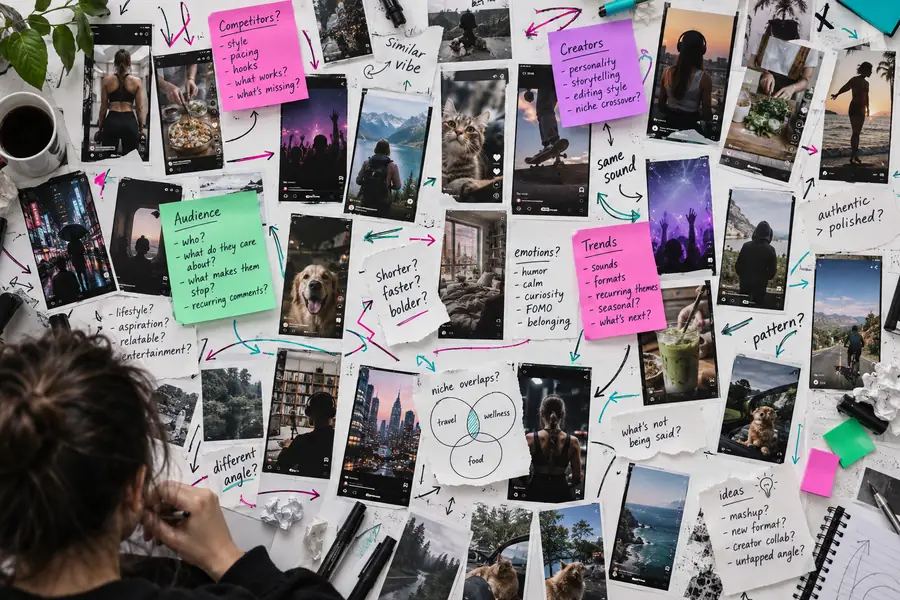
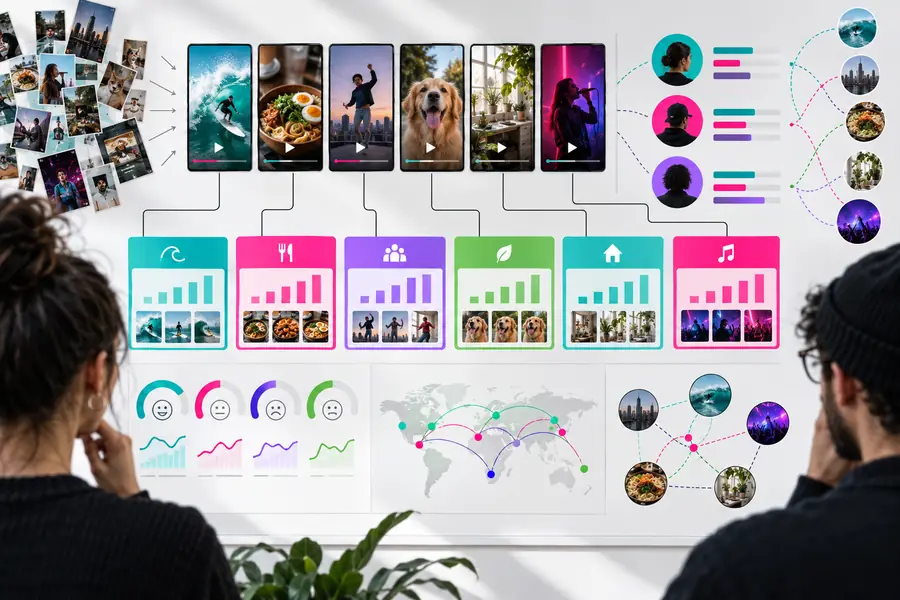
A useful research pass changes more than the amount of information on the page. It changes the quality of the question, the confidence behind the conclusion, and the next action.

Before: scattered signalsAfter: usable direction
Unstructured TikTok research notes before an Exolyt workflow Organized TikTok insight output after an Exolyt workflow Before: scattered signals After: usable direction

The comparison shows a workflow shift, not a claim about guaranteed campaign performance.

Use these workflow cards as handoff templates. Each one names the starting question, the useful sequence, and the artifact a teammate should receive at the end.

  • Research
  • Planning
  • Review
  • Category research workflow on TikTok
    ResearchVerified

    Build a category snapshot

    Turn a broad TikTok category into a short, defensible snapshot for a planning session. Keep the scope narrow enough that every observation can support a decision.

    1. Define the category and audience question
    2. Collect comparable themes and content patterns
    3. Summarize the signals and open questions
    4. Share a one-page planning snapshot
    Run a category snapshot
  • Content ideation workflow for TikTok
    PlanningVerified

    Create a content opportunity brief

    Move from scattered inspiration to a brief that a creative team can use. The output should explain the audience need, the recurring format, and the reason the idea deserves a test.

    1. Choose a topic or recurring audience need
    2. Group related examples by format and hook
    3. Write three to five opportunity statements
    4. Convert the strongest statement into a brief
    Create an opportunity brief
  • TikTok performance monitoring workflow
    ReviewVerified

    Prepare a performance review

    Give a recurring social review a consistent structure. Compare what appeared, what repeated, and what the team should investigate before the next publishing cycle.

    1. Set the review period and comparison frame
    2. Record notable content and visible patterns
    3. Separate observations from interpretations
    4. End with the next test or research question
    Prepare a review
  • Influencer marketing workflow for TikTok
    ResearchVerified

    Shortlist creator directions

    Use a topic-led workflow to make creator research more relevant. Document why each candidate fits the conversation so outreach is easier to prioritize and explain.

    1. Define the niche and partnership objective
    2. Find creators connected to the topic
    3. Review content context and audience fit
    4. Record the reason for each shortlisted candidate
    Shortlist creator directions

Turn a TikTok question into a useful next step

Bring a focused topic, comparison, or audience question into Exolyt and shape the result into something your team can act on. Start with one workflow, then reuse the structure across future reviews.

Try Exolyt workflows
  • Start from a real research question
  • Keep the output tied to a decision
  • Create a handoff your team can reuse

scenario FAQ

Answers to common questions about using Exolyt examples tiktok workflows for research and planning.

Useful examples include category snapshots, competitor comparisons, creator shortlists, audience-theme reviews, and content opportunity briefs. The best example starts with a decision your team needs to make, such as what to test, who to study, or which topic deserves more attention.

Yes. A team can review repeated questions, formats, hooks, and audience themes, then turn those observations into a small set of content directions. The result is most useful when the ideas retain the evidence and context that led to them.

Define a comparable topic, audience, or content format first, then review competitors inside the same frame. This makes it easier to describe meaningful differences without treating one viral post as a complete picture of a competitor's strategy.

They can support creator discovery by connecting a niche or audience need with relevant content patterns. A shortlist should still be reviewed for fit, brand suitability, and the specific reason each creator belongs in the next conversation.

A practical deliverable should state the question, scope, notable signals, interpretation, and recommended next action. Adding the source context and open questions helps another teammate understand how the conclusion was reached and what should be checked next.

Start free trial
Start free trial